
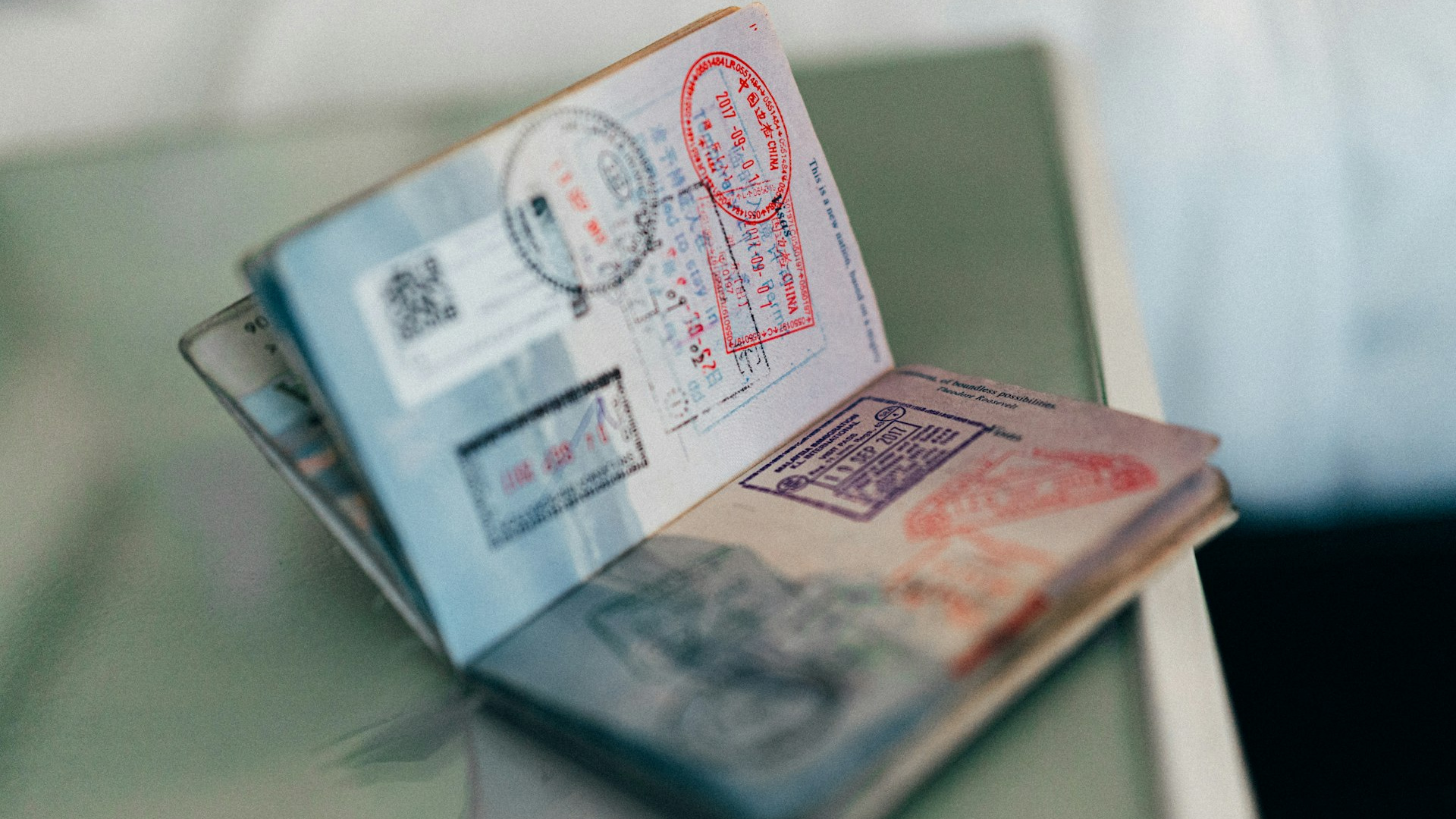
Dual Citizenship in Poland: Can You Keep Your Current Passport and What Are Your Obligations?
People who acquire Polish citizenship often ask whether they must give up their current passport. The answer is generally no. Polish law allows a person to hold Polish citizenship together with the citizenship of another country. This is commonly referred to as dual citizenship in Poland, although a person may in practice hold more than two citizenships if the laws of the relevant countries permit it.
However, having two citizenships does not mean that a person can freely choose which legal system applies in every situation. Under Polish law, a Polish citizen who also holds another citizenship is treated by Polish public authorities as a Polish citizen. This principle may be important in matters involving travel, official documents, taxation, military obligations, voting rights and criminal proceedings.
Does Poland allow dual citizenship?
Poland permits dual and multiple citizenship. A person who obtains Polish citizenship by birth, descent, recognition, restoration or naturalisation does not normally have to renounce another citizenship under Polish law. The same applies to a Polish citizen who acquires a foreign nationality, unless the law of the other country requires the person to give up Polish citizenship.
The most important point is that the legal consequences also depend on the law of the second country. Some states allow dual nationality without restrictions, while others limit it or require a declaration of choice after reaching a certain age. Therefore, retaining a current passport is not determined solely by Polish regulations. The law of the country that issued that passport must also be checked.
Polish citizenship and a foreign citizenship are not treated as interchangeable before Polish authorities. A person cannot generally rely on foreign citizenship to avoid obligations that apply to Polish citizens. In legal terms, the foreign nationality may be recognised internationally, but it does not remove the person’s status as a Polish citizen in Poland.
Can a person keep a foreign passport after becoming Polish?
In most cases, a person may keep a valid foreign passport after acquiring Polish citizenship. Whether the document remains valid, however, is a matter for the issuing country. Some states automatically retain their nationals as citizens, whereas others may withdraw citizenship or invalidate a passport in specific circumstances.
When entering or leaving Poland, a Polish citizen should use a Polish passport or another Polish travel document where required. A Polish citizen is not treated by Polish border authorities as a foreign national merely because that person presents a second passport. The practical rules may differ depending on the route, the destination country and whether the person is travelling within the European Union or outside it.
It is advisable to ensure that personal data are consistent across documents. Differences in spelling, name order, transliteration or date of birth may lead to delays during travel or administrative procedures. Where citizenship has been acquired recently, it may also be necessary to obtain a Polish identity card, register changes in civil status or apply for confirmation of Polish citizenship for a child.
What obligations apply to a dual citizen in Poland?
A dual citizen is generally subject to the same basic legal duties as any other Polish citizen. These may include compliance with tax regulations, registration requirements, electoral rules and administrative obligations. Citizenship alone does not automatically determine tax residence. Tax liability usually depends on factors such as the centre of personal and economic interests, the place of residence and the relevant tax treaty.
Voting rights may be available in accordance with Polish electoral law, provided that the statutory conditions are met. Certain public functions or regulated professions may also involve additional requirements concerning citizenship, security clearance or access to protected information.
Military obligations require particular care. The applicable rules may depend on age, sex, residence, health status, legal changes and the person’s relationship with the Polish authorities. Holding another citizenship does not automatically exclude a Polish citizen from obligations imposed under Polish law. A person who receives a formal notice should examine it promptly instead of assuming that the foreign passport provides an exemption.
It is also important to keep Polish identity documents valid and to notify the relevant authorities of changes where the law requires it. The details of the obligation depend on the person’s circumstances, place of residence and the type of administrative matter involved.
Dual citizenship and criminal proceedings in Poland
Dual citizenship can become especially significant in a criminal case. In a Polish criminal proceeding, a dual citizen is treated as a Polish citizen. The person cannot generally demand that the case be handled only under the law of the country connected with the second passport.
A foreign passport may nevertheless be relevant in practical matters. It may affect consular assistance, travel arrangements, immigration consequences in another country or the operation of an extradition request. These issues are complex and depend on applicable treaties, European Union law, the nature of the alleged offence and the procedural stage.
Polish citizenship may also be relevant when another state requests extradition or the execution of a European Arrest Warrant. The outcome cannot be predicted solely from the fact that a person has two passports. Each case requires an assessment of the charges, nationality, residence, procedural guarantees and the legal basis of the request.
For that reason, a person involved in a sprawa karna should obtain legal advice before speaking to law enforcement, leaving the country or signing documents concerning surrender or extradition. A consultation with an adwokat karny or prawnik karny can help clarify procedural rights, possible risks and the significance of both citizenships. This does not replace a full review of the case file, which may be necessary in more serious matters.
Choosing legal assistance in Warsaw
In Warsaw, the choice of legal representative may require particular attention because criminal cases are handled by different courts, prosecutors’ offices and law enforcement bodies, and proceedings may involve cross-border elements. A person looking for assistance should verify whether the lawyer regularly handles prawo karne, international cooperation in criminal matters, extradition or European Arrest Warrant proceedings.
The relevant experience should match the problem. A lawyer dealing mainly with civil disputes may not be the right person to advise on detention, questioning, search, pre-trial measures or international surrender. When selecting an adwokat karny or kancelaria karna, it is reasonable to ask about the scope of the proposed work, communication in the relevant language, availability during urgent procedural events and the method of calculating fees.
There is no single solution suitable for every dual citizen. The need for an interpreter, contact with a consulate, analysis of foreign documents or coordination with a lawyer abroad may significantly affect the required work. A preliminary consultation can identify the most urgent steps, but the final assessment should be based on the specific facts and documents.
FAQ: Dual citizenship in Poland
Can a Polish citizen keep a foreign passport?
Usually yes, provided that the law of the country that issued the passport also allows the person to retain that citizenship. Polish law does not generally require renunciation of a foreign nationality when Polish citizenship is acquired.
Can a dual citizen use only the foreign passport in Poland?
A dual citizen is treated in Poland as a Polish citizen. Depending on the circumstances, Polish authorities may require the use or presentation of Polish identity or travel documents. A foreign passport does not remove obligations arising from Polish citizenship.
Does dual citizenship automatically create tax liability in Poland?
No. Tax residence is not determined solely by citizenship. It usually depends on residence, the centre of personal and economic interests and applicable tax agreements. Individual circumstances should be reviewed before making a tax decision.
Does a second citizenship protect a person in a criminal case?
No. A second passport does not prevent Polish authorities from conducting a postępowanie karne against a Polish citizen. It may be relevant to consular contact, travel or extradition issues, but the consequences depend on the facts and applicable law.
Summary
Dual citizenship in Poland is generally permitted, and a person may often keep a current foreign passport. At the same time, Polish authorities treat that person as a Polish citizen, which means that Polish legal obligations continue to apply. In cases involving a criminal investigation, extradition, detention or another serious legal problem, individual analysis is essential. A person seeking a lawyer in Warsaw may also consult a current ranking of criminal defence lawyers in Warsaw and compare experience relevant to the particular sprawa karna.